%2Ffit-in%2F250x250%2Fguide_websites%2F1745%2Fimages%2Fimageedit_7_2053500424.png&w=1920&q=100)
Caught a tripletail Inshore in Weeki Wachee
Tripletail Fishing in Weeki Wachee
4.9

16 Reviews
- 5
 88%
88% - 413%
- 3
 0%
0% - 20%
- 10%
%2F%2Fusers%2F16e4cbbf-2b3b-40f1-9b99-f61d554c6393%2Fimages%2Ffishing-catch-weeki-wachee-florida-8591.png&w=1920&q=75)
The Tripletail (Lobotes surinamensis) is a distinctive fish that gets its name from its unique appearance—the dorsal and anal fins extend toward the back, creating what looks like three tails. These ambush predators are often found floating near the surface around structure, where they blend in with floating debris. - Tripletail in Florida waters typically range from 2-20 pounds, with specimens up to 36 inches. - They inhabit inshore waters, estuaries and bays, making them a popular target in Weeki Wachee's coastal areas.
Fishing Guide by Guide Tim Stout in December
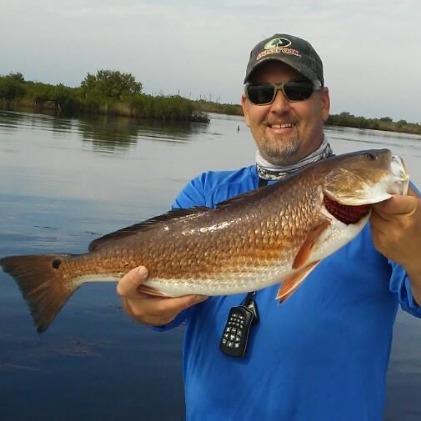
- Seize the Bay with the best Fishing Charter!



Summary
Our Tuesday October afternoon fishing charter in Weeki Wachee delivered exactly what serious anglers look for—non-stop action and quality fish. The partly cloudy skies and perfect water conditions around Bayport set the stage for a productive 4-hour trip targeting tripletail and other inshore species. Using a combination of drift fishing, bottom fishing, and artificial lures, we covered productive structure and grass beds that hold bait and attract predator fish. These afternoon inshore trips with Seize The Bay Fishing Charters are ideal for targeting multiple species, with tripletail making a great showing during our fall fishing season. Whether you're bringing the family or looking for serious fishing action, our local waters provide consistent opportunities for memorable catches throughout the season.
Fishing Charter with Tim Stout – Rates & Booking
Guide Tim of Seize The Bay Fishing Charters on Tuesday October offers this 4-Hour PM Trip targeting inshore species including tripletail, cobia, snook, and sharks. This charter accommodates up to 2 guests and includes all gear, bait, and tackle needed for a productive day on the water. Tim's extensive local knowledge ensures you'll be fishing the most productive spots around Homosassa and Weeki Wachee. The afternoon departure gives you prime fishing time when many species are actively feeding, and the fall season offers some of the year's most consistent action.
Highlights of Afternoon Inshore Fishing Charter Homosassa Redfish & More
This 4-hour afternoon charter puts you on Homosassa's productive inshore waters with proven fishing techniques that produce results. The trip focuses on drift fishing and bottom fishing while mixing in artificial lure casting to target tripletail, redfish, and other inshore species. The structure and grass beds around Bayport hold plenty of bait, creating perfect conditions for predator fish to feed.
The fall fishing pattern has been remarkably consistent, with partly cloudy conditions providing ideal visibility for spotting fish while keeping temperatures comfortable. Tim's local expertise ensures you'll be fishing productive areas where tripletail and other species congregate, making this afternoon trip perfect for anglers of all skill levels looking for bent rods and tight lines.
Local Species Insights: Tripletail
Tripletail are one of the most distinctive and rewarding catches in Weeki Wachee's inshore waters. These ambush predators are often found around structure like channel markers, floating debris, or weed lines where they suspend near the surface mimicking floating debris. When targeting tripletail, we use both artificial lures and live bait depending on the conditions and the fish's mood. Fall is an excellent time for tripletail fishing as water temperatures remain warm enough to keep them active and feeding. Their unique fighting style and excellent table fare make them a prized catch for our charters.
Plan Your Fishing Charter Day
For your afternoon inshore trip, you'll want to arrive 15 minutes before departure time at our Weeki Wachee meeting point. Bring sun protection, a hat, polarized sunglasses, and appropriate clothing for the weather. Our boat comfortably accommodates up to 2 guests with ample fishing space, and we provide all necessary fishing gear, including quality rods, reels, and bait. A Florida fishing license is not required as it's covered under our charter license. Don't forget a camera to document your tripletail catch and other memorable moments on the water!
Fishing in Homosassa: Tripletail
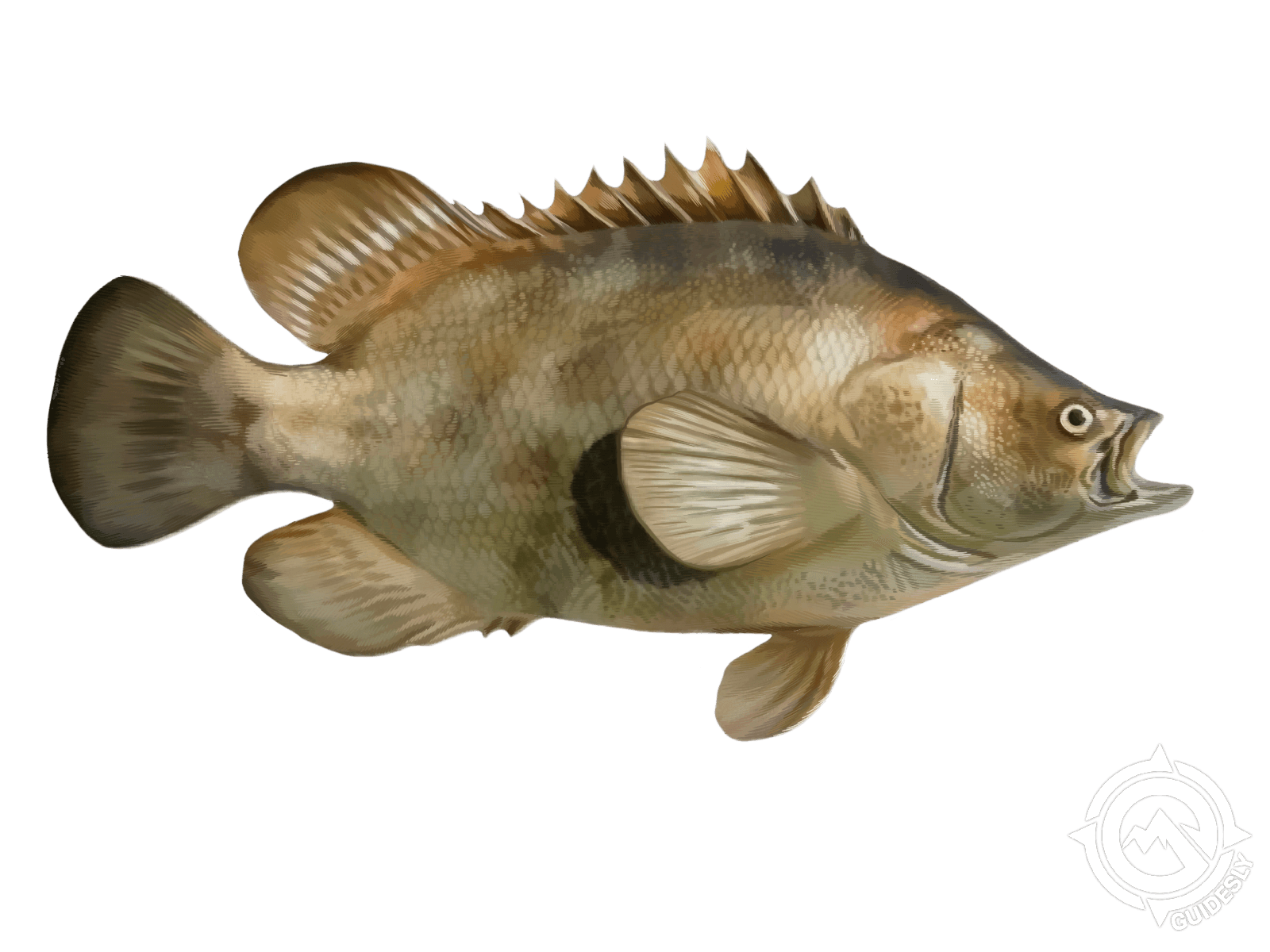
The Tripletail (Lobotes surinamensis) is a unique member of the Lobotidae family within the order Perciformes. This distinctive fish gets its common name from its appearance—the dorsal and anal fins extend backward, creating what looks like three tails when viewed from the side. In Weeki Wachee waters during fall months, these ambush predators become popular targets for inshore anglers.
Tripletail Overview
Tripletail are medium-sized gamefish with an unusual appearance that makes them instantly recognizable. Their compressed, deep body and mottled coloration allow them to mimic floating debris. Anglers prize them both for their fighting ability and excellent table fare, making them a sought-after catch in Florida's inshore waters.
Tripletail Habitat and Distribution
These adaptable fish are found in tropical and subtropical waters worldwide. Around Weeki Wachee and Homosassa, tripletail frequent inshore waters, estuaries, and bays. They're commonly spotted near structure such as channel markers, buoys, floating debris, or weed lines where they float on their sides near the surface, mimicking floating debris to ambush prey.
Tripletail Size and Weight
In Florida waters, tripletail typically range from 18 to 36 inches in length. Weight-wise, they commonly run between 2 and 20 pounds, though larger specimens can be caught. A 15-pound tripletail is considered an excellent catch in most areas, offering both a sporting challenge and enough meat for several meals.
Tripletail Diet and Behavior
Tripletail are opportunistic predators that feed primarily on small fish, shrimp, and crabs. Their hunting strategy involves floating motionless, often on their sides, near structure or floating objects, waiting to ambush passing prey. This behavior makes them particularly susceptible to sight fishing techniques when conditions are good.
Tripletail Spawning Season
Tripletail typically spawn offshore during summer months when water temperatures are warmest. In Florida waters, peak spawning usually occurs from May through August. During this time, they may be found in slightly deeper waters, though many remain in their preferred inshore habitats throughout the year.
Tripletail Fishing Techniques
When targeting tripletail around Weeki Wachee, sight fishing is extremely effective. Scanning structure like channel markers, crab trap buoys, and floating debris often reveals tripletail hanging near the surface. Once spotted, presenting a live shrimp, small crab, or artificials like soft plastics on light tackle typically triggers strikes. In October, anglers around Weeki Wachee often find them associating with structure in slightly deeper water as temperatures begin to cool, making afternoon trips particularly productive.
Tripletail Is It Good to Eat?
Tripletail is considered excellent table fare with firm, white flesh that's often compared to grouper. The meat has a mild, sweet flavor that works well with various cooking methods, particularly grilling and baking. It's also relatively low in mercury compared to many other gamefish, making it a healthy protein option rich in omega-3 fatty acids.
Tripletail Frequently Asked Questions
Q: What is the best bait for tripletail?
A: Live shrimp and small crabs are the top natural baits for tripletail. For artificial options, soft plastic shrimp imitations and small jigs with curly-tail grubs work well when presented near structure where tripletail are holding.
Q: Where can I find tripletail near Weeki Wachee?
A: Look for tripletail around channel markers, buoys, crab trap floats, and any floating debris in the inshore waters. They're often spotted floating on their sides near the surface near these structures in the Homosassa and Weeki Wachee areas.
Q: Is tripletail good to eat?
A: Yes, tripletail is considered one of the best-tasting inshore fish. The meat is white, firm, and has a mild, sweet flavor similar to grouper, making it versatile for various cooking methods.
Q: When is the best time to catch tripletail?
A: In Weeki Wachee, tripletail can be caught year-round, but the warmer months from spring through fall offer the most consistent action. October provides excellent opportunities as the fish are actively feeding before winter temperature drops.
Q: What size tripletail can be kept in Florida?
A: Florida regulations require tripletail to be at least 18 inches in total length to harvest, with a daily bag limit of two fish per person. Always check current regulations before fishing as they may change.
Q: What tackle should I use for tripletail?
A: Light to medium spinning tackle with 10-20 pound test line works well for tripletail. A 7-foot rod allows for accurate casts to structure where these fish hold. When sight fishing, longer rods can provide better casting distance and control.