%2Ffit-in%2F250x250%2Fguide_websites%2F1745%2Fimages%2Fimageedit_7_2053500424.png&w=1920&q=100)
Caught a Longnose Gar Inshore in Weeki Wachee
Longnose Gar Inshore in Weeki Wachee
5.0

6 Reviews
- 5
 100%
100% - 4
 0%
0% - 30%
- 20%
- 10%
%2F%2Fusers%2F16e4cbbf-2b3b-40f1-9b99-f61d554c6393%2Fimages%2Fweeki-wachee-fishing-techniques-clear-8356.png&w=1920&q=75)
The Longnose Gar (Lepisosteus osseus) is a fascinating prehistoric fish species that dates back millions of years. These ancient predators are immediately recognizable by their elongated, needle-like snouts filled with sharp teeth and armored, diamond-shaped scales that protect them from predators. - Longnose Gar can reach impressive sizes between 28 and 72 inches in length and weigh between 30 and 55 pounds. - They're adaptable fish that thrive in various habitats including rivers, marshes, and nearshore waters around Weeki Wachee.
Fishing Guide by Guide Tim Stout in December
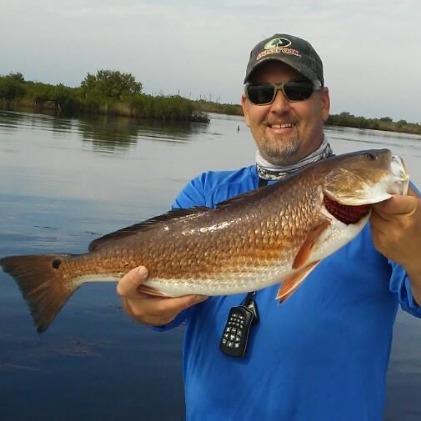
- Seize the Bay with the best Fishing Charter!



Summary
Sunday July fishing in Weeki Wachee delivered excitement on this 6-hour inshore trip with Seize The Bay Fishing Charters. We set out from Bayport Park Boat Ramp under clear skies, keeping watch for potential afternoon storms. The day's action was non-stop as we mixed techniques between live bait fishing, sight fishing, and topwater presentations. The highlight was landing a impressive Longnose Gar, along with Redfish, Spotted Gar, and Spanish Mackerel. The inshore waters around Weeki Wachee and Homosassa offer some of Florida's best fishing opportunities, with plenty of structure and feeding grounds that attract a variety of gamefish. Whether you're an experienced angler or just getting started, our guided fishing trips provide everything you need for a productive day on the water.
Fishing Charter with Tim Stout – Rates & Booking
Guide Tim Stout of Seize The Bay Fishing Charters on Sunday July offers 6-hour guided fishing trips targeting a variety of inshore species including Longnose Gar, Redfish, Spotted Gar, and Spanish Mackerel. All necessary fishing equipment and tackle are provided on this trip, so you can focus on the fishing experience rather than gear logistics. With expert knowledge of local waters from Bayport to Homosassa, Tim puts you on fish using effective techniques like live bait fishing, sight fishing, and exciting topwater action.
This inshore charter accommodates up to 2 guests, making it perfect for solo anglers, pairs, or small groups looking for personalized attention. Departing from Bayport Park Boat Ramp, you'll explore the productive waters around Weeki Wachee, targeting various gamefish that call these waters home. Book your fishing adventure today to secure your spot with one of the area's knowledgeable local guides.
Highlights of Inshore Fishing Charter Homosassa Redfish & Black Drum
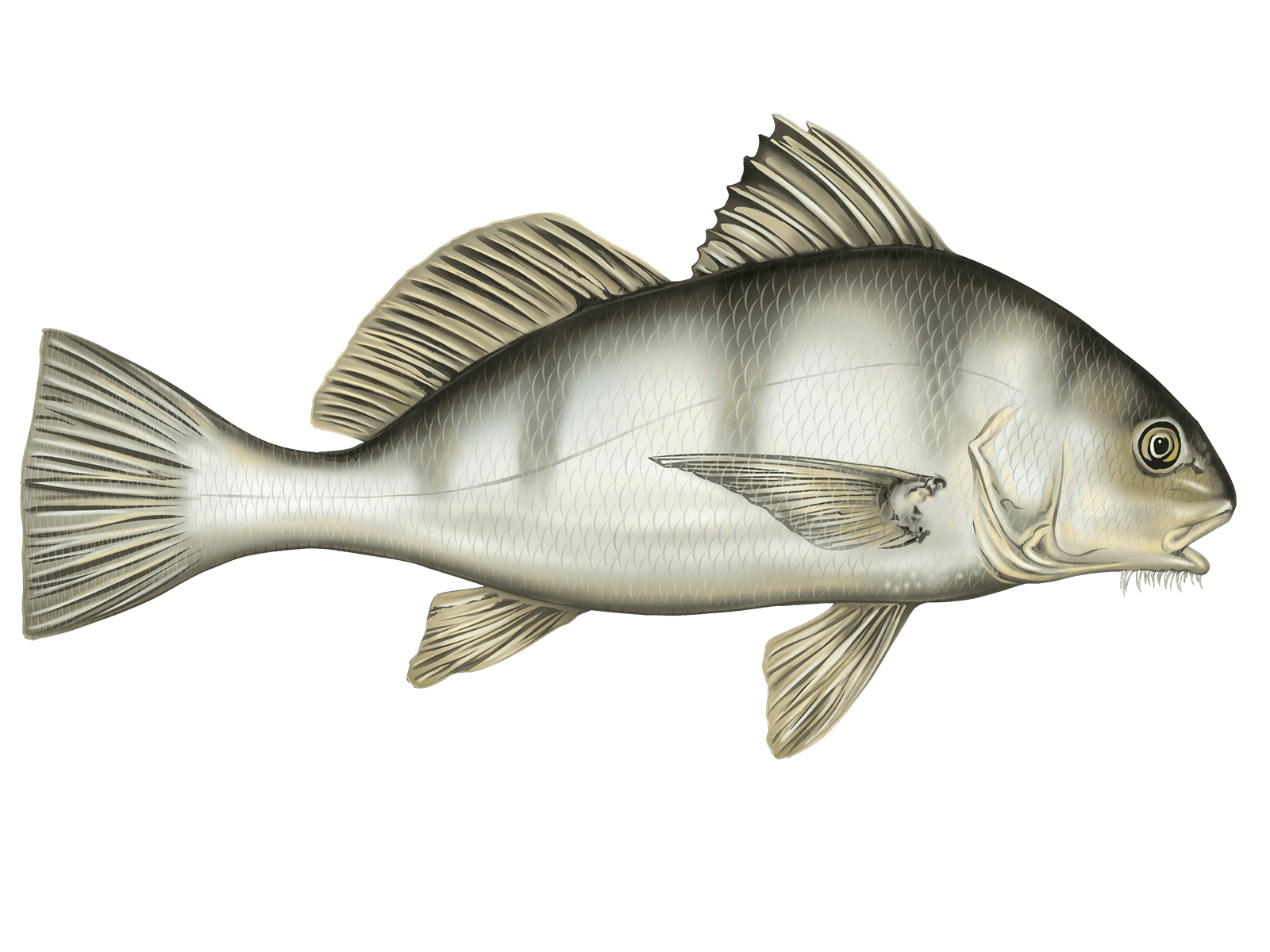
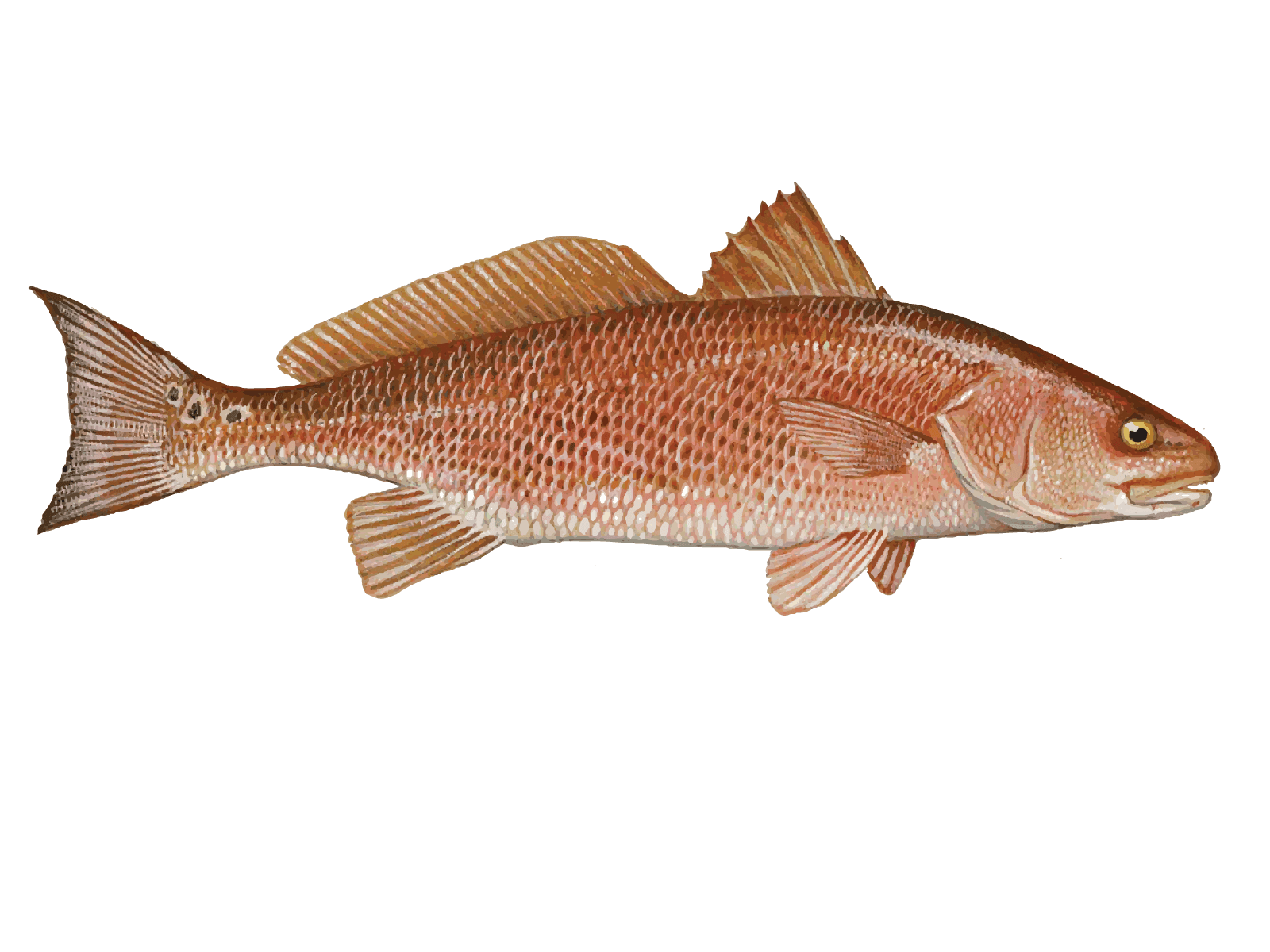
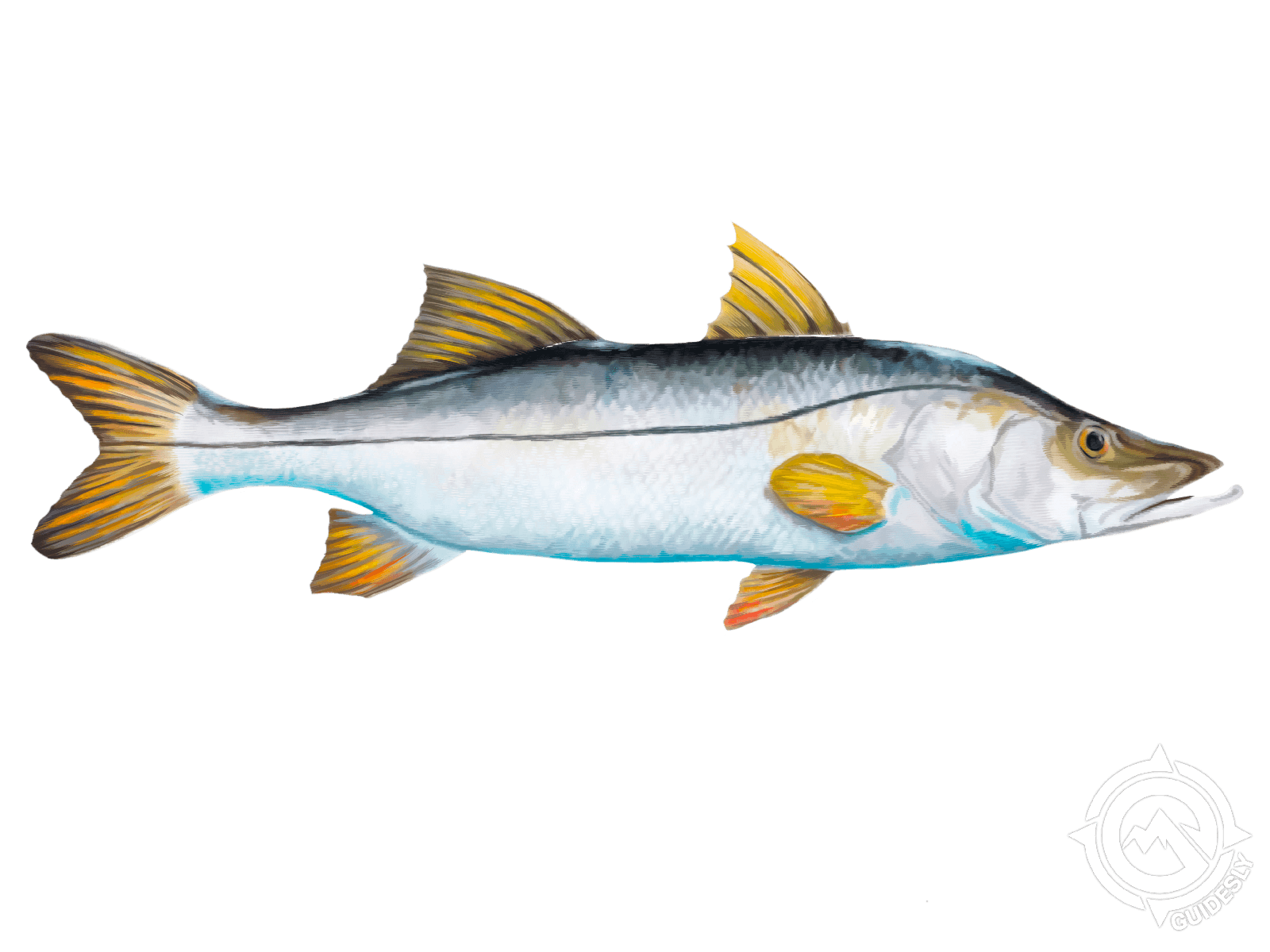
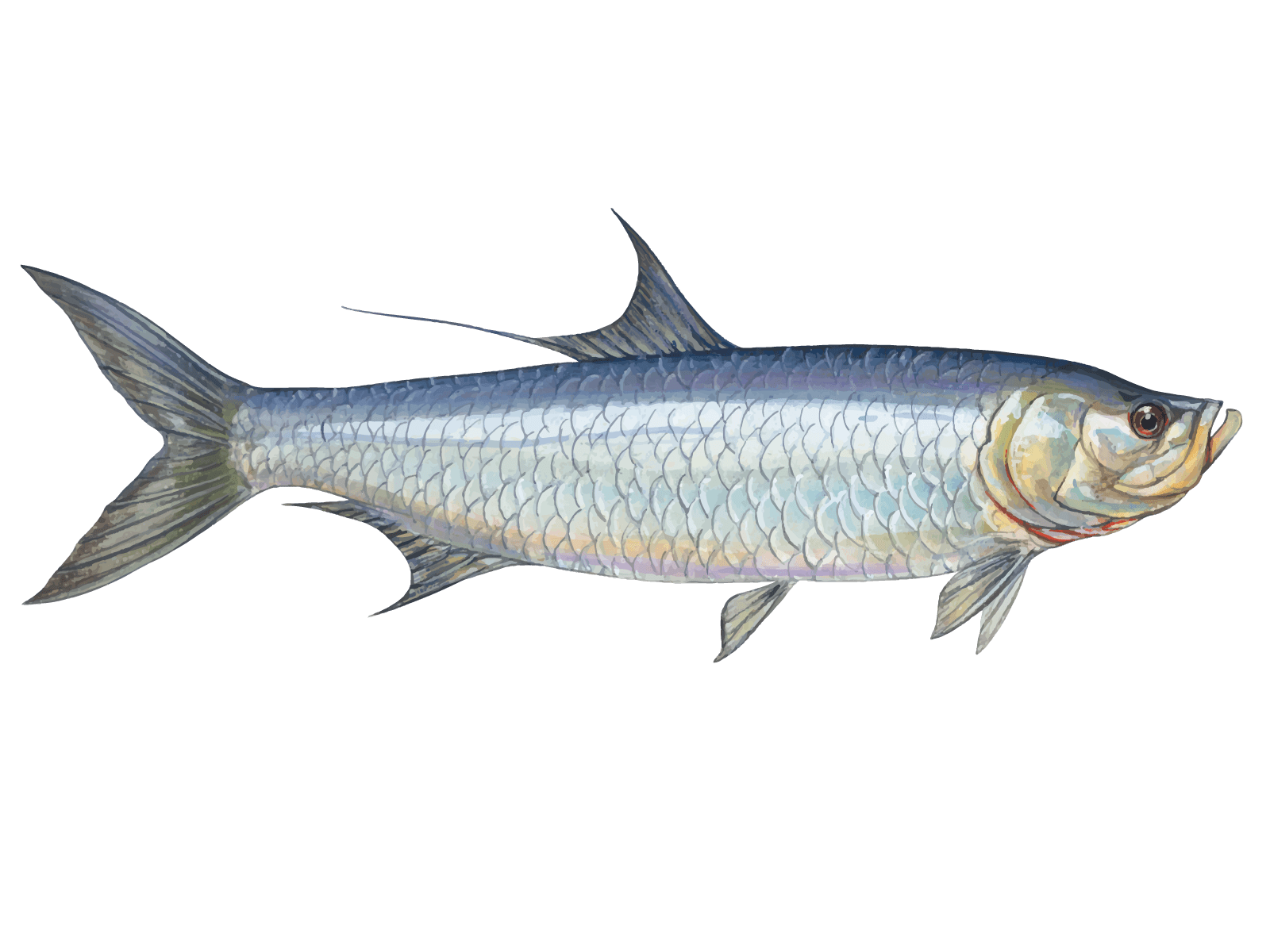
This 6-hour inshore fishing charter from Weeki Wachee delivers an exciting day on the water with plenty of action. The trip is designed for anglers of all skill levels, whether you're a seasoned fisherman or new to the sport. You'll target a variety of species that inhabit the inshore waters, including Redfish, Cobia, Snook, Tarpon, Black Drum, Grouper, Spanish Mackerel, and more.
What makes this trip special is the diversity of fishing techniques you'll experience. From sight fishing in clear shallows to working topwater lures and presenting live bait, you'll learn effective approaches for different conditions and species. The Bayport and Homosassa areas offer some of Florida's most productive inshore fishing grounds, with a mix of grass flats, channels, oyster bars, and mangrove shorelines that hold fish year-round.
Local Species Insights: Longnose Gar
The Longnose Gar is one of Florida's most distinctive inshore species, with prehistoric looks and exciting fighting ability. These ancient predators thrive in the diverse habitats around Weeki Wachee, from rivers and marshes to nearshore waters. When targeting Longnose Gar, we often use light tackle and focus on areas where these ambush predators wait for prey.
Summer months like July are excellent for Longnose Gar fishing in Weeki Wachee, as warmer water temperatures increase their activity. These fish can be challenging to hook due to their bony mouths, but that's part of what makes landing one so rewarding. The explosive strikes and acrobatic jumps make Longnose Gar a memorable catch for any angler visiting Florida's Nature Coast.
Plan Your Fishing Charter Day
For your 6-hour fishing charter in Weeki Wachee, plan to arrive at Bayport Park Boat Ramp about 15 minutes before your scheduled departure time. The boat comfortably accommodates up to 2 guests and is well-equipped with quality rods, reels, tackle, and live bait needed for a successful day on the water.
While all fishing gear is provided, we recommend bringing personal items such as sunscreen, polarized sunglasses, a hat, weather-appropriate clothing, and your preferred snacks and drinks to stay energized throughout the trip. Morning departures are typically best, as they allow us to take advantage of the cooler temperatures and increased fish activity. Our experienced guide will ensure your safety while putting you on fish and teaching you the most effective techniques for the conditions and species we're targeting.
Fishing in Homosassa: Longnose Gar
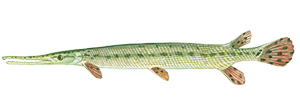
The Longnose Gar (Lepisosteus osseus) belongs to the Lepisosteidae family within the order Lepisosteiformes. This prehistoric-looking fish is immediately recognizable by its distinctive elongated snout filled with needle-like teeth and diamond-shaped armored scales. In Weeki Wachee waters this July, anglers specifically target these ancient predators for their challenging fight and unique appearance.
Longnose Gar Overview
Longnose Gar are prehistoric fish that have remained largely unchanged for millions of years. Their cylindrical bodies, covered in hard, diamond-shaped ganoid scales, act as armor against predators. Anglers value them for their challenging fight, striking appearance, and the technical skill required to hook and land them.
Longnose Gar Habitat and Distribution
These adaptable fish thrive in various freshwater and brackish environments including rivers, marshes, lakes, and nearshore areas. They prefer areas with vegetation, fallen trees, and other structure where they can ambush prey. Around Weeki Wachee, they're commonly found in the river systems, backwater areas, and inshore marshes connected to the Gulf of Mexico.
Longnose Gar Size and Weight
Longnose Gar typically range from 28 to 72 inches in length, with weights between 30 and 55 pounds when fully grown. Average catches in the Weeki Wachee area tend to be in the 3-15 pound range, though specimens exceeding 20 pounds are not uncommon for experienced anglers targeting trophy fish.
Longnose Gar Diet and Behavior
As ambush predators, Longnose Gar primarily feed on smaller fish, which they capture with a sideways snap of their tooth-lined jaws. They're typically more active during warmer months and often hunt near the surface or in shallow water. Their behavior of suspending motionless in the water, resembling floating sticks or logs, makes sight fishing for them particularly exciting.
Longnose Gar Spawning Season
Spawning typically occurs from April through June in Florida waters when temperatures reach the 68-75°F range. Female Longnose Gar lay toxic, adhesive eggs on vegetation in shallow water. During this period, they can be found in greater numbers in vegetated backwaters and slow-moving sections of rivers around Weeki Wachee.
Longnose Gar Fishing Techniques
These challenging gamefish require specialized approaches. Rope lures (frayed nylon rope pieces that tangle in their teeth) are extremely effective when fished near the surface. Small artificial lures that mimic minnows, slow-rolled spinnerbaits, and live bait such as shad or mullet also produce results. In July, anglers around Weeki Wachee find them in shallower waters during early morning and evening hours, often near creek mouths and along the edges of flats where they ambush prey.
Longnose Gar Is It Good to Eat?
While not commonly pursued as table fare, Longnose Gar are indeed edible. Their white, firm meat has a mild flavor similar to other freshwater species. However, their eggs are toxic and should never be consumed. Most anglers practice catch-and-release with Longnose Gar, appreciating them more for the sporting challenge they provide rather than culinary purposes.
Longnose Gar Frequently Asked Questions
Q: What is the best bait for Longnose Gar?
A: Rope lures (frayed nylon rope tied to a hook) are particularly effective as the fibers tangle in the gar's teeth. Live or dead minnows, small mullet, and artificial lures that mimic these baitfish also work well, especially when fished near the surface where gar often feed.
Q: Where can I find Longnose Gar near Weeki Wachee?
A: Longnose Gar can be found throughout the Weeki Wachee River system, particularly in areas with vegetation, fallen trees, or other structure. They're also common in the backwater marshes and inshore areas around Bayport and Homosassa, especially during summer months.
Q: Is Longnose Gar good to eat?
A: While edible with firm, white meat, Longnose Gar aren't typically sought after as food fish. Their armor-like scales make cleaning challenging, and their eggs are toxic. Most anglers practice catch-and-release with these prehistoric predators.
Q: When is the best time to catch Longnose Gar?
A: Summer months (May through September) offer the best Longnose Gar fishing in Florida. They're most active during warmer water periods, particularly during morning and evening hours when they feed near the surface. In Weeki Wachee, July and August can be particularly productive.
Q: How do you hook a Longnose Gar with their bony mouth?
A: Due to their hard, bony mouths, traditional hook sets often fail with gar. Many anglers use specialized rope lures that tangle in their teeth rather than trying to hook them conventionally. When using standard hooks, allow the gar to run with the bait for several seconds before setting the hook to improve chances of hooking them in the corner of the mouth.
Q: Are Longnose Gar dangerous to handle?
A: Longnose Gar should be handled with care due to their sharp teeth and thrashing behavior when landed. Using lip grippers, gloves, or holding them behind the head and supporting their body can prevent injuries to both the angler and the fish if you plan to release them.